
Blog
Social
Honoring Veterans by Protecting Their Legal Rights
1.28.2026
Honoring veterans means protecting their legal rights across employment, housing, family, and civil matters. Federal and state laws, including USERRA and SCRA, offer essential safeguards. Legal guidance helps veterans navigate complex transitions from military to civilian life, ensuring timely access to benefits, protection against discrimination, and effective advocacy for their civil and family rights.

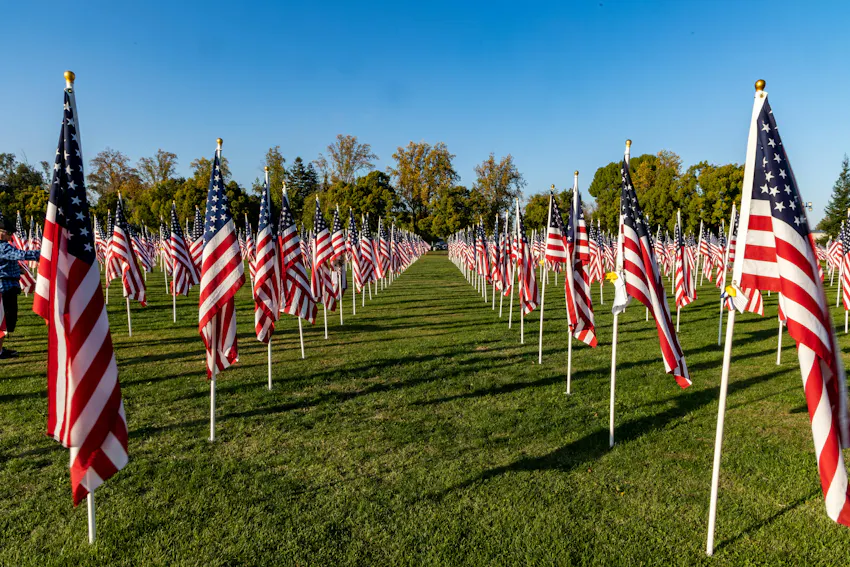
Deployments and time away from loved ones shape daily life during service and continue to influence it long after discharge.
When that service ends, the transition to civilian life can bring challenges to veterans and their families. Legal and administrative issues often arise alongside employment changes, housing concerns or shifting family responsibilities.
Unfortunately, legal systems can be difficult to navigate during periods of transition, especially when multiple problems arise at once. Legal help for veterans can bring order to these situations that otherwise feel overwhelming.
What It Means To Protect a Veteran’s Legal Rights
Most legal systems apply the same rules to everyone. However, military service can involve extended absences, service-related injuries, and obligations that interrupt civilian employment or personal affairs.
Federal and state laws provide specific protections for veterans and service members to address those realities. However, problems arise when those protections are not identified or applied in a timely manner. Missed deadlines or a lack of advocacy can lead to lasting consequences even when no wrongdoing is involved.
Legal help for veterans focuses on identifying those risks early. With proper guidance and advocacy, veterans can protect their civil rights before minor issues turn into lasting legal consequences.
Common Legal Challenges Veterans Face
Legal challenges faced by veterans often stem from complexity rather than misconduct. Moreover, issues involving benefits, employment, housing, or family matters usually overlap, adding stress to an already demanding transition back to civilian life.
- Accessing Benefits: Applying for VA disability or healthcare benefits can be time-consuming and confusing. Claims may be delayed due to paperwork errors or missing service documentation.
- Employment Rights and Discrimination: Employers may misunderstand military obligations or fail to accommodate service-related disabilities, leading to disputes or lost opportunities for veterans.
- Housing and Financial Issues: Extended absences and interrupted income can contribute to debt. Veterans may also face landlord disputes, eviction risks, or foreclosure concerns tied to timing and financial strain.
- Family Law Matters: Deployments can affect custody arrangements and parenting schedules. Military pay structures may also complicate divorce and support determinations.
- Criminal Legal Issues: Research suggests that roughly one-third of American veterans have had contact with the criminal justice system, with many cases linked to PTSD, substance use, or moral injury. These circumstances highlight the importance of criminal legal help for veterans that accounts for service-related factors.
Relevant Legal Protections & Supports
The law does not ignore the legal challenges veterans face. Federal and state statutes exist because lawmakers recognize how military service can affect civilian life.
These protections matter, but they are only effective when veterans know they exist and understand how they apply. Without guidance, veterans’ legal rights can go unused or enforced too late.
The Uniformed Services Employment and Reemployment Rights Act (USERRA)
USERRA protects service members from discrimination based on military service. It requires eligible employers to reinstate returning service members and preserve seniority, pay, and employment benefits they would have earned without interruption.
The Servicemembers Civil Relief Act (SCRA)
The SCRA offers financial and housing protections during active duty. It limits interest rates on certain debts and provides safeguards against eviction, foreclosure, and default judgments while service members are fulfilling military obligations.
FEHA and State Civil Rights Laws
State civil rights laws, including FEHA in applicable jurisdictions, provide additional employment protections. These laws often address disability-related discrimination and offer enforcement options beyond those available under federal statutes.
Veterans Treatment Courts
Veterans Treatment Courts address offenses linked to mental health or substance use. These programs combine judicial oversight with treatment and accountability.
VA and Veterans Affairs Programs
VA programs provide benefits advocacy, legal assistance referrals, and coordination for veterans navigating overlapping legal and medical systems.
Very Law’s Commitment to Veterans
At Very Law, we believe legal advocacy starts with understanding the complete picture of a client’s life. For veterans, military service often continues to affect work, family responsibilities, health, and legal obligations long after service ends.
We regularly work with clients dealing with legal issues across several areas of law. Veterans may be dealing with criminal charges, family law concerns, civil rights issues, or benefit-related disputes, all at the same time. These situations call for careful attention and clear guidance.
Our approach is built on listening first. Taking the time to understand how military service affects each case enables us to develop strategies tailored to each individual. Most importantly, integrity, preparation, and persistence guide our work and shape how we stand by veterans through complex legal challenges.
Taking Action — Supporting Veterans Now
Legal issues rarely resolve on their own. When questions linger or deadlines pass, problems that seem manageable can grow into lasting consequences.
Seeking guidance early can make a real difference. When veterans and their families understand how the law applies after military service, they can protect their stability and make informed decisions before issues escalate.
If you are a veteran or a family member facing legal concerns, you deserve clear direction and reliable advocacy. At Very Law, you can expect personalized criminal legal help for veterans as well as support across related civil matters.
Connect with us for a strategy session. Your advocates at Very Law are here to discuss your situation and guide you through the next steps.


Ryan D. Very, Esq.
Proprietor
Ryan Very spearheads one of Pittsburgh’s fastest-growing, most well-respected law firms. He’s built a full-service practice working with a diverse array of clients: trade associations, teachers, business owners, unions, large corporations, and the ordinary citizen.